
First Contenders: 2027 RORC Transatlantic Race
Royal Ocean Racing Club proven winners, ocean racing multihulls and ambitious Corinthian campaigns are already committed to the 13th edition of the RORC Transatlantic Race from Lanzarote to Antigua. Many more are anticipated with some head-turning entries expected.
The first wave of entries for the 2027 RORC Transatlantic Race offers an intriguing mix of outright speed, proven offshore pedigree and ambitious campaigns.
Starting from Marina Lanzarote on Sunday 10 January, the 3,000nm racecourse is across the Atlantic to Antigua, the home of the RORC Nelson’s Cup Series and the RORC Caribbean 600. More boats are expected to join the line-up over the coming months, but there is already plenty to get excited about.
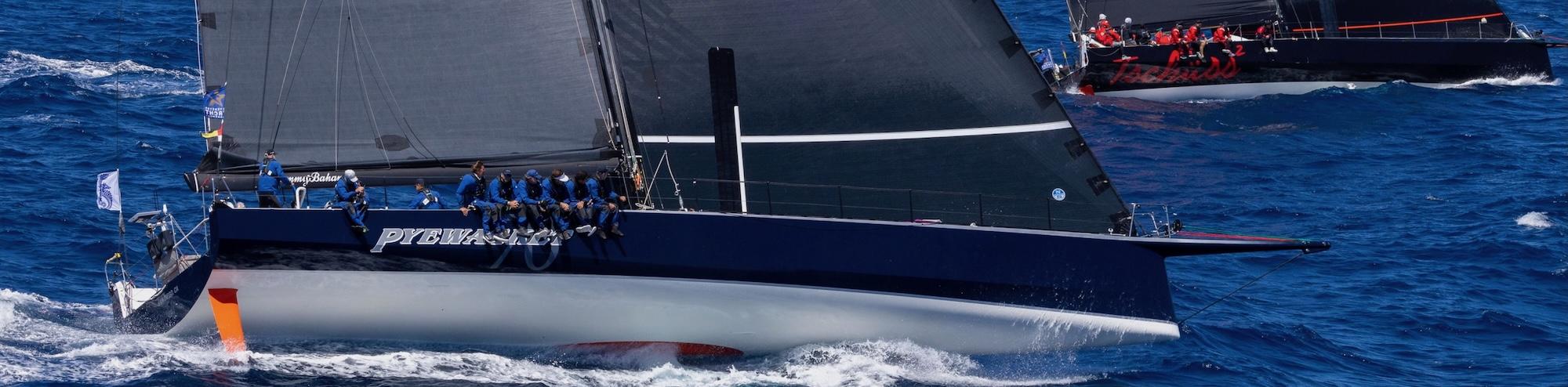
At the sharp end, two highly developed Volvo 70s promise a fascinating contest. These boats were conceived for sustained high-speed reaching in ocean swell. With the trade winds established and thousands of miles ahead, they will be thoroughbreds in their element.
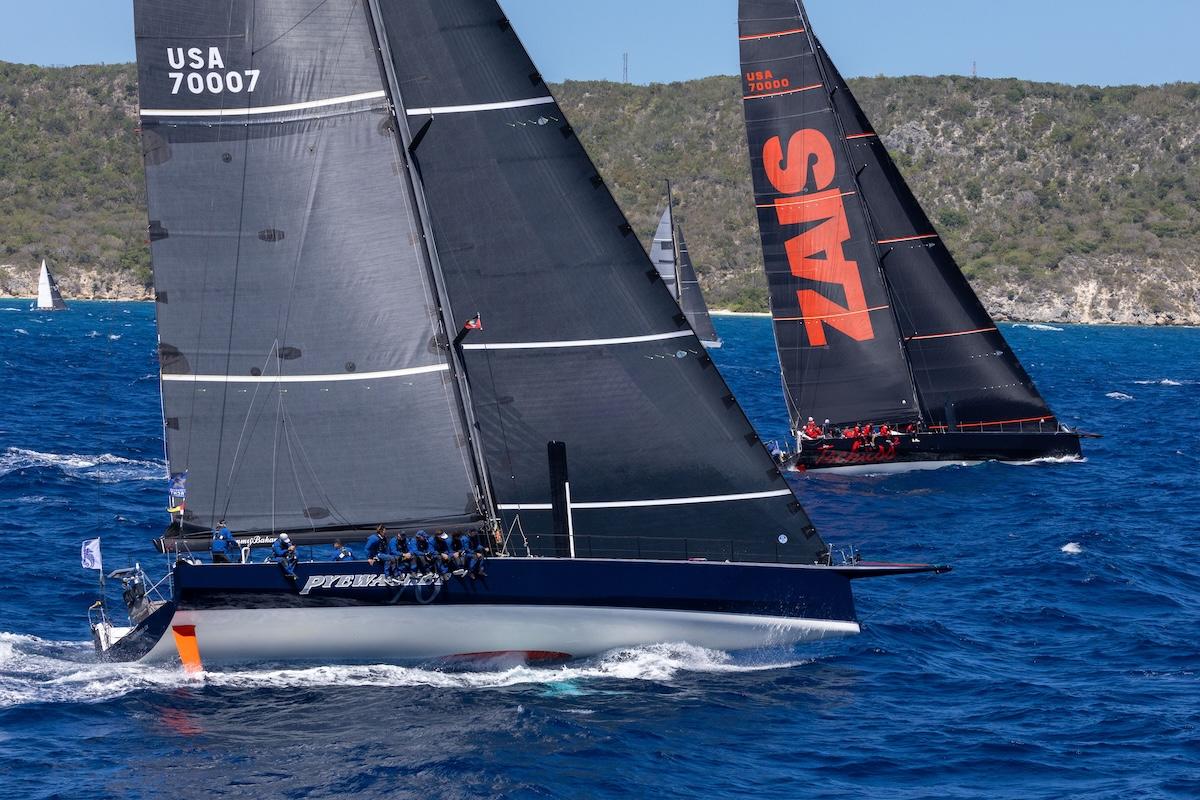 Pyewacket 70 and Tschüss 2 © Tim Wright/RORC
Pace and Gweilo 70 – Atlantic thoroughbreds
Johnny Vincent’s Pace comes to the race with an outstanding recent RORC record. The Juan Kouyoumdjian-designed Volvo 70 raced previously as Tschüss 2, she won the 2025 RORC Transatlantic Race overall under IRC, before going on to take overall victory in the RORC Caribbean 600.
Now racing as Pace, the boat added another major success last month, winning both Monohull Line Honours and IRC Overall in the 50th anniversary RORC Round Britain and Ireland Race. During that 1,805nm contest Pace also produced a 486nm 24-hour run and recorded a boat speed of 27 knots. For Pace, the return to the RORC Transatlantic Race is much more than another ocean race. It is a return to a race this boat already knows how to win and a new adventure for owner Vincent. Pace is already entered for the 2027 RORC Caribbean 600.
The same Atlantic conditions should suit Gweilo 70. Formerly Pyewacket 70, Black Jack and originally Telefónica in the Volvo Ocean Race, the boat has been substantially turbocharged from her original Volvo 70 configuration, with increased sail area and reduced weight creating an even more potent offshore machine.
The Gweilo 70 campaign is unmistakably Australian. Every sailor aboard is a member of the Cruising Yacht Club of Australia, and the boat will fly the Club’s burgee at the transom alongside RORC’s. Matt Donald and Chris Townsend previously raced the TP52 Gweilo together from Sydney, with major results including second overall in the Rolex Sydney Hobart. Peter Merrington brings experience across America’s Cup, Etchells and no less than 25 Sydney Hobarts, while David Griffiths, best known for his successful Whisper campaigns, has more than ten ‘Hobarts behind him. A strong Australian crew, including Boat Captain Tom Fountain, is expected for Gweilo 70. After the RORC Transatlantic Race, Gweilo 70 will compete in the RORC Nelson’s Cup Series and the RORC Caribbean 600.
Pace is expected to carry the lower IRC rating of the pair, which could make the corrected-time contest every bit as interesting as the race on the water. Gweilo 70 may have the greater raw performance potential, but across 3,000nm there will be plenty of opportunity for the numbers to come into play for the IRC Class and potentially IRC overall victory.
Multihull firepower
Adrian Keller’s 84ft Nigel Irens-designed Allegra brings serious RORC pedigree to the multihull fleet. The powerful catamaran has been a front-running presence in major RORC offshore races and is especially formidable under MOCRA, combining sustained high speeds with a proven ability to deliver on corrected time.
Allegra has raced extensively in the RORC Transatlantic Race, with multiple MOCRA wins for the RORC Caribbean 600 and the Rolex Fastnet Race and has regularly been among the leading multihulls in elapsed-time. Capable of sustained speeds well into the 20s and beyond when conditions allow, she will again be one of the boats to watch.
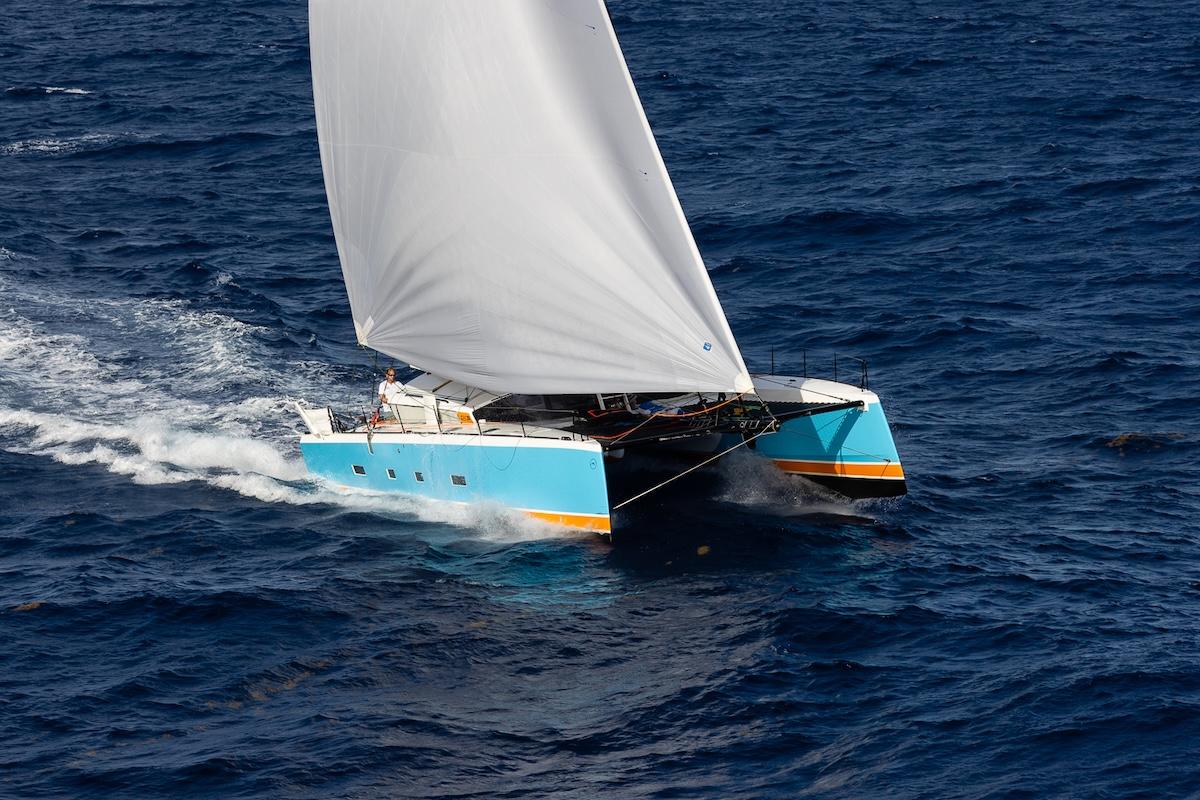 Ocean Fifty Calamity © Arthur Daniel/RORC
Charles Wolf’s French TS 52 Baies du Monde 2 adds another high-performance catamaran to the developing multihull contest, while Calamity returns with unfinished business. Timo Tavio’s 50ft trimaran started the 2026 RORC Transatlantic Race but was forced to retire after breaking her boom. The team reached Antigua, repaired the damaged spar and returned to competition just weeks later to win MOCRA in the RORC Caribbean 600. In 2027, Calamity comes back to Lanzarote for another shot at the Atlantic crossing and a close duel with Baies du Monde 2.
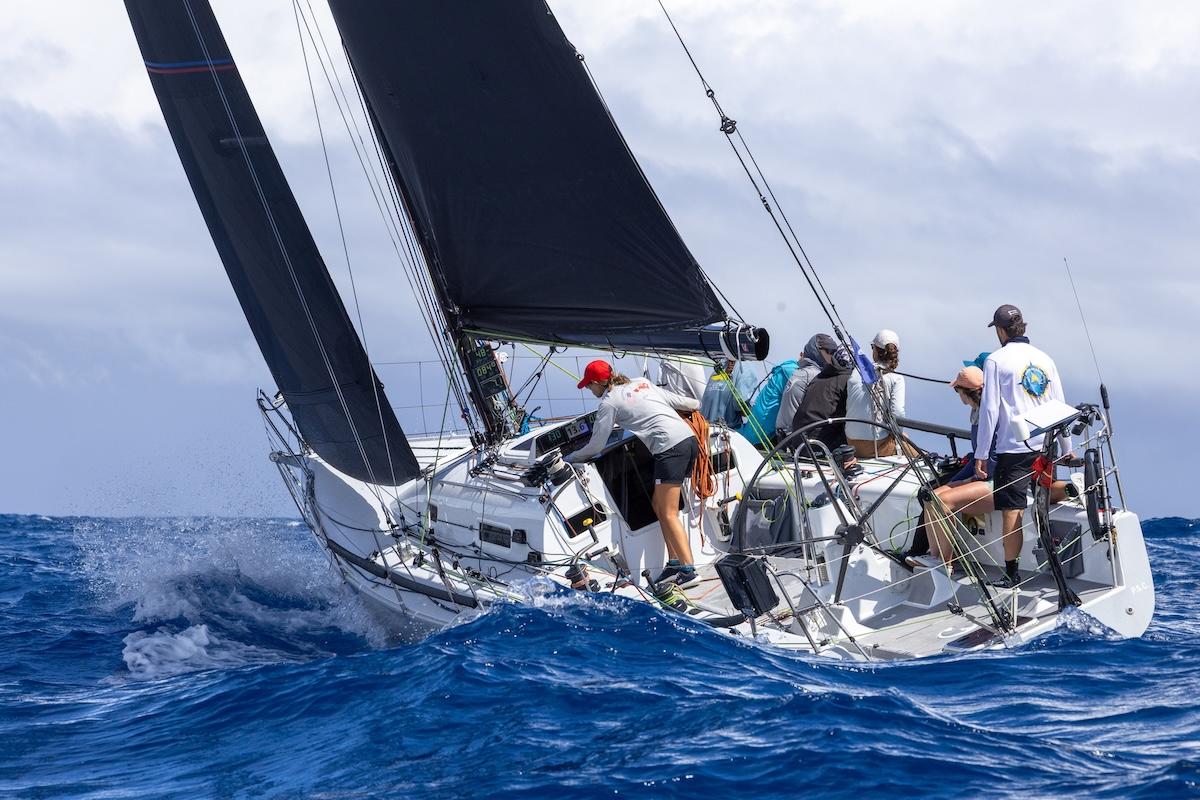 J/125 Jackknife © Tim Wright/RORCJackknife – still punching above her age
Sam and Andrew Hall return with Jackknife, one of the most compelling IRC boats in the fleet. The J/125 is around 30 years old, but age has done little to blunt her IRC potency.
In the 2026 RORC Transatlantic Race, Jackknife won IRC Two and finished third overall under IRC. That performance came from a Corinthian crew and underlined what a well-prepared older design can still achieve when raced intelligently and hard. The Halls also know the race extremely well, having previously competed in four consecutive editions aboard Pata Negra before switching to Jackknife. Against some of the most powerful offshore yachts in the world, their campaign offers a very different—and very RORC—route to success.
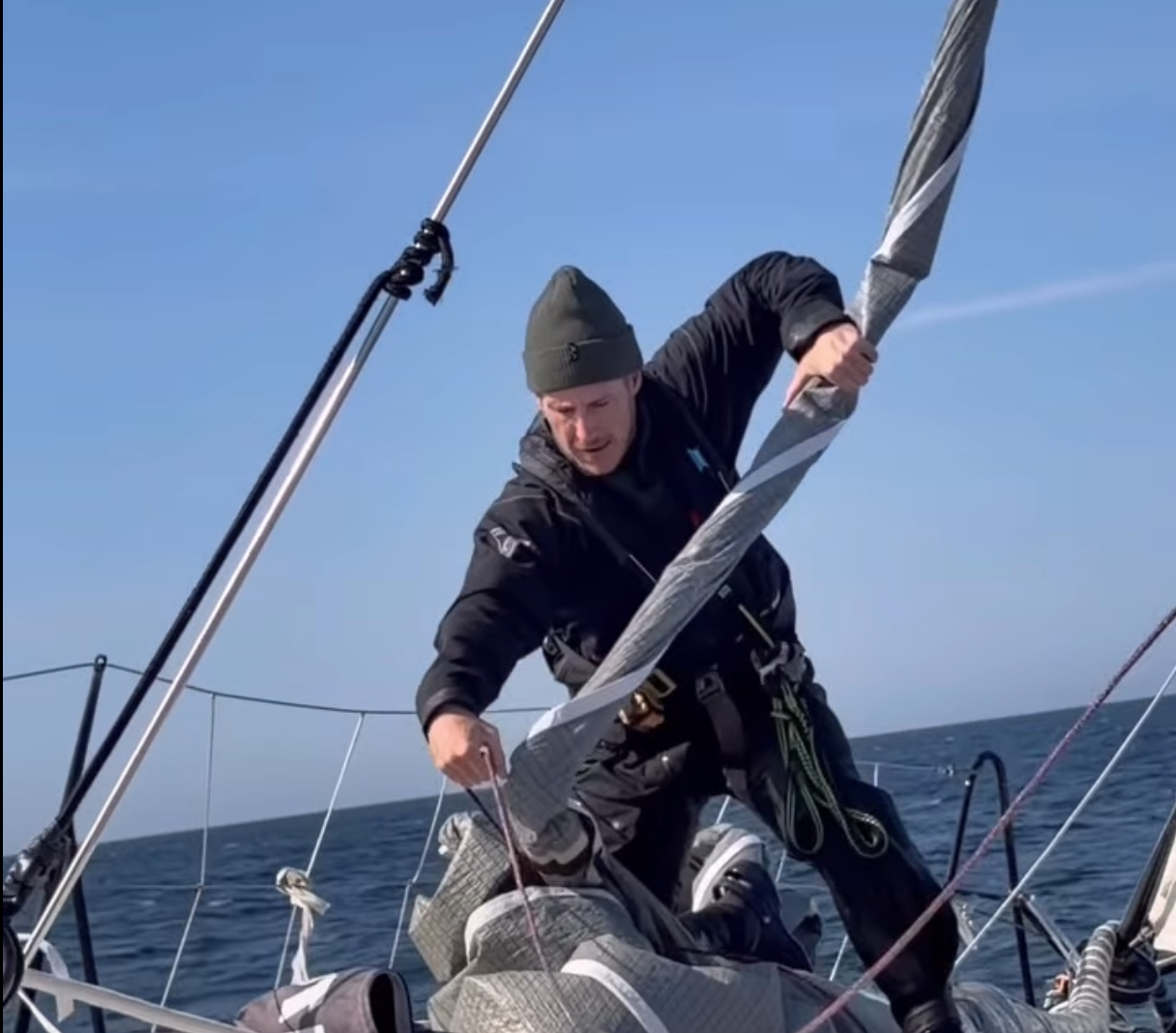 Karl Smith’s Class40 Racing to End Parkinson’s
Racing with purpose
Karl Smith’s Class40 Racing to End Parkinson’s brings another powerful story. The Irish sailor, racing with David Rowen, has entered both the RORC Transatlantic Race and the RORC Caribbean 600 as part of his campaign towards Smith's 2027 Global Solo Challenge.
Inspired by the diagnosis of his father Peter with Parkinson’s, Karl aims to raise €1 million for research, care and awareness through the project. The boat itself, Class40 No.147, also has considerable offshore pedigree, having previously raced as Campagne de France with Miranda Merron and Halvard Mabire.
For Smith, Lanzarote to Antigua is an important chapter in a much bigger campaign—one that will ultimately take him around the world.
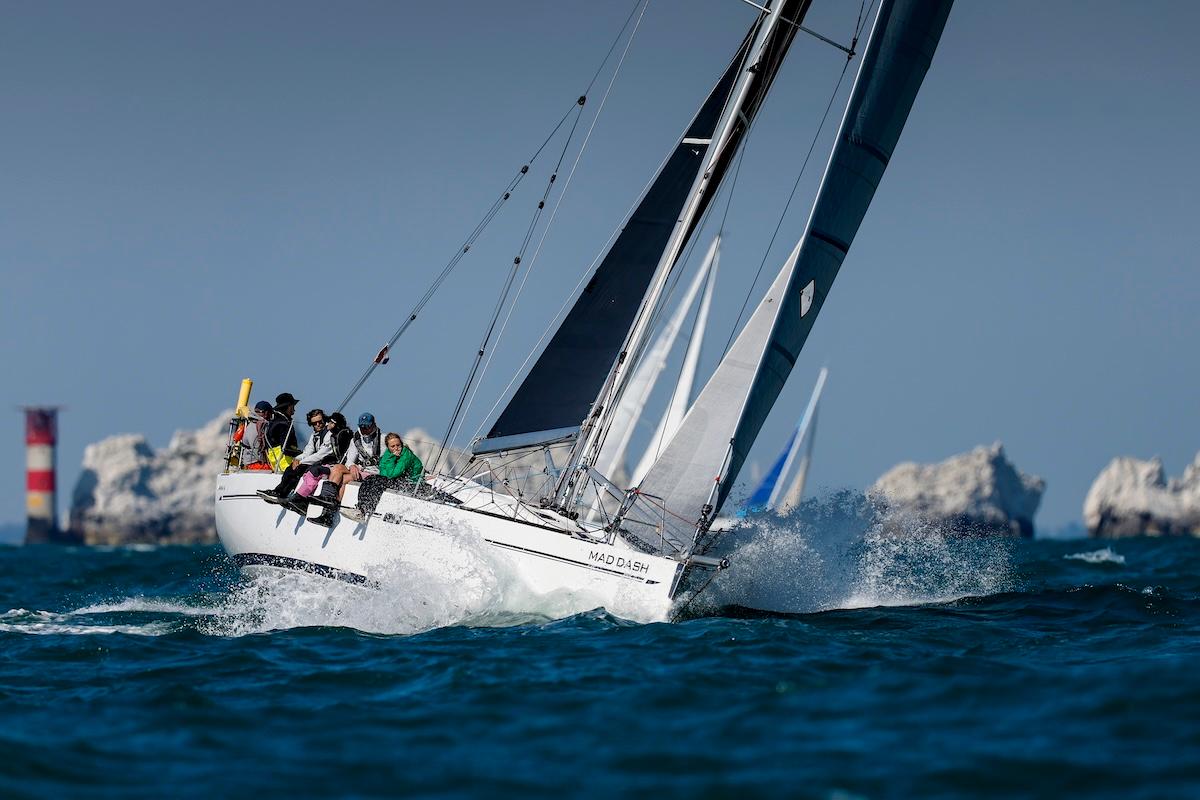 Elan 410 Mad Dash © Paul Wyeth/RORCMad Dash – racer-cruiser to the Caribbean
Sam Tregelles’ Mad Dash adds another important dimension to the line-up. The Elan 410 is a genuine racer-cruiser and the flagship of Sailing Hounds, Tregelles’ race-charter company.
Mad Dash represents a very different route to the RORC Transatlantic Race from the Volvo 70s, Class40s and high-performance multihulls. That contrast is part of the attraction: the race is not only about outright speed, but also the challenge of racing an offshore-capable yacht across an ocean and arriving in Antigua having completed one of sailing’s great passages under competition.
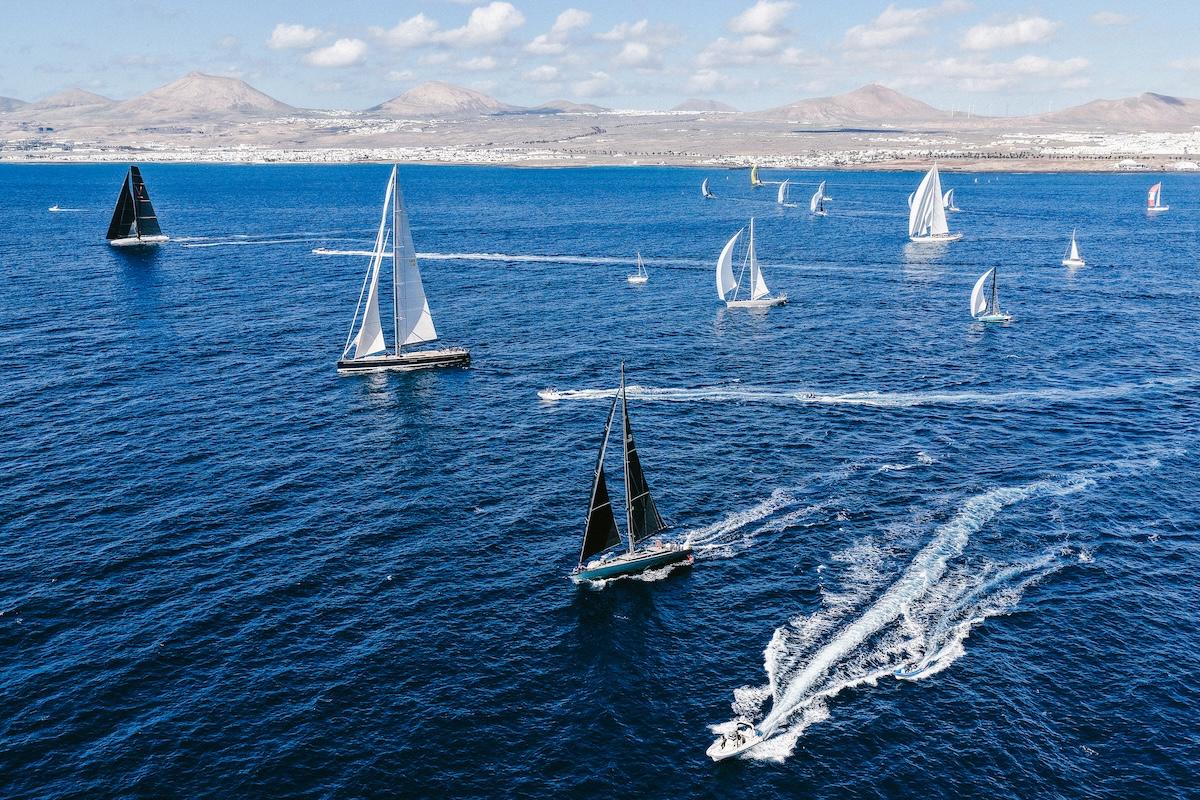 Start of the RORC Transatlantic Race © SailingEnergy/Calero Marinas
From Atlantic-bred Volvo 70s and elite multihulls to a Class40, an ageing but highly competitive J/125 and a capable racer-cruiser, the early entries already show the breadth of the RORC Transatlantic Race.
And there is much more still to come with many more teams expected to join the rising number of entries for the 2027 RORC Transatlantic Race.
Enter the 2027 RORC Transatlantic Race
The 2027 RORC Transatlantic Race starts from Marina Lanzarote on Sunday 10 January, racing 3,000nm to Antigua, West Indies.