
Bedouin Triumphs in a Brutal RORC Baltic Sea Race
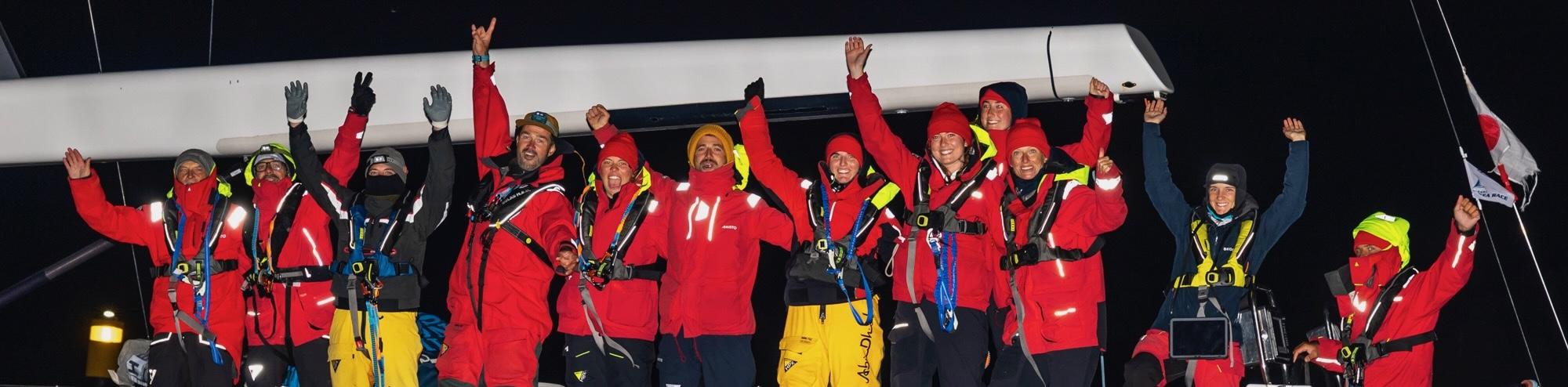
RORC Baltic Sea Race 2026 Final Report—Saturday 15 August 2026
Linda Goddard’s Swan 53 Bedouin has won the 2026 RORC Baltic Sea Race overall under IRC after one of the toughest editions in the event’s short history. The Australian-flagged yacht also claimed Monohull Line Honours and victory in IRC One, while Håkan Grönvall’s Swedish First 40 C-ME finished second overall and the Finnish double-handed First 35 Bianco completed the IRC podium.
The third edition of the RORC Baltic Sea Race delivered a severe test of boats and crews over more than 600 nautical miles from Helsinki, around Gotland and back to the Finnish capital. Heavy seas, relentless headwinds and the Baltic’s notoriously short, steep waves took an extraordinary toll.
Of the 24 boats entered, 17 retired from the race. Most importantly, all crews were reported safe. At the height of the contest the fleet faced strong winds, heavy seas and forecasts for gusts of up to 35 knots on the return towards the Gulf of Finland.
For those that completed the course, simply reaching Helsinki was an achievement. For Bedouin, it became a memorable victory.
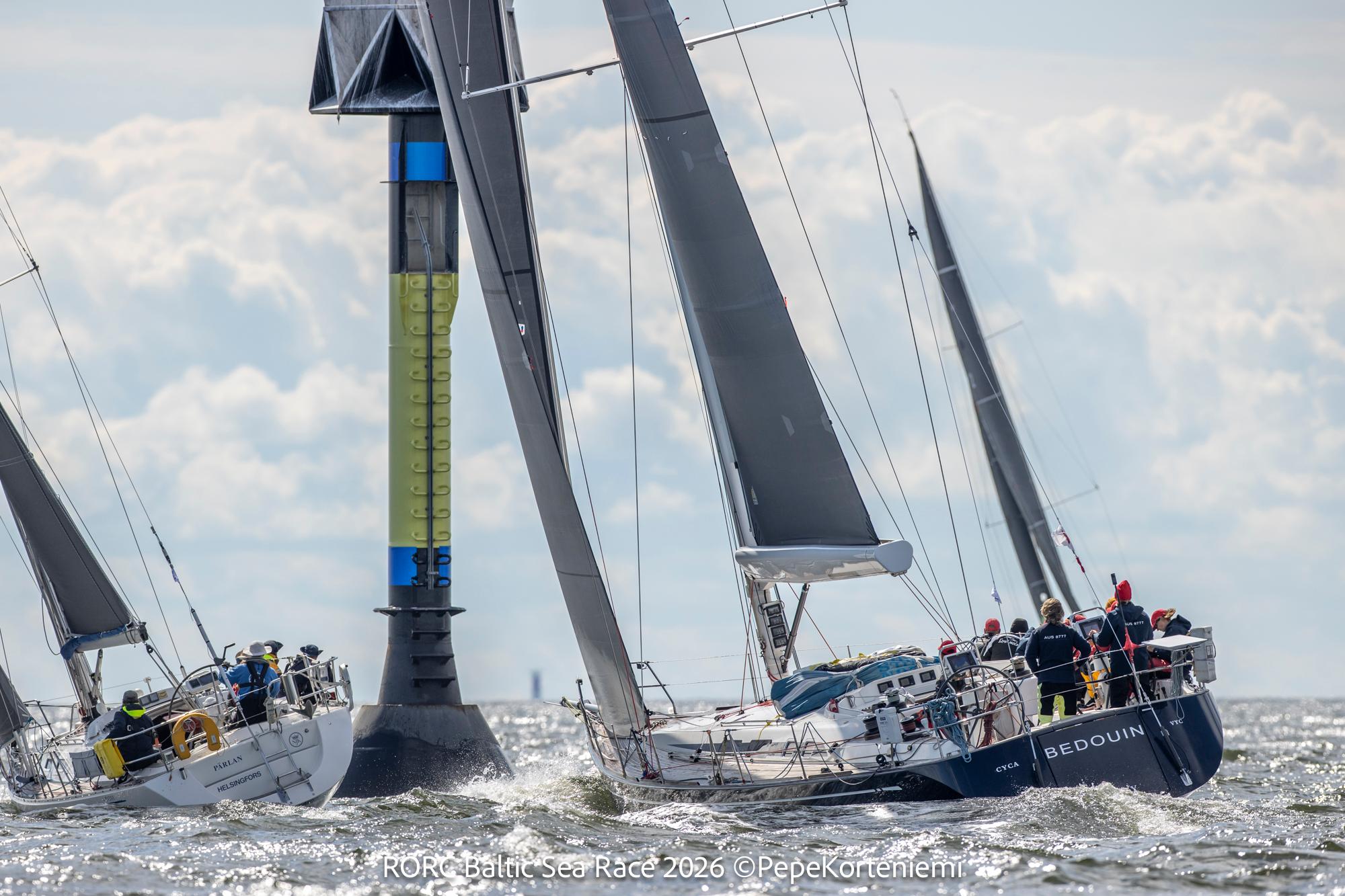 Bedouin © Pepe Korteniemi
Bedouin takes the triple
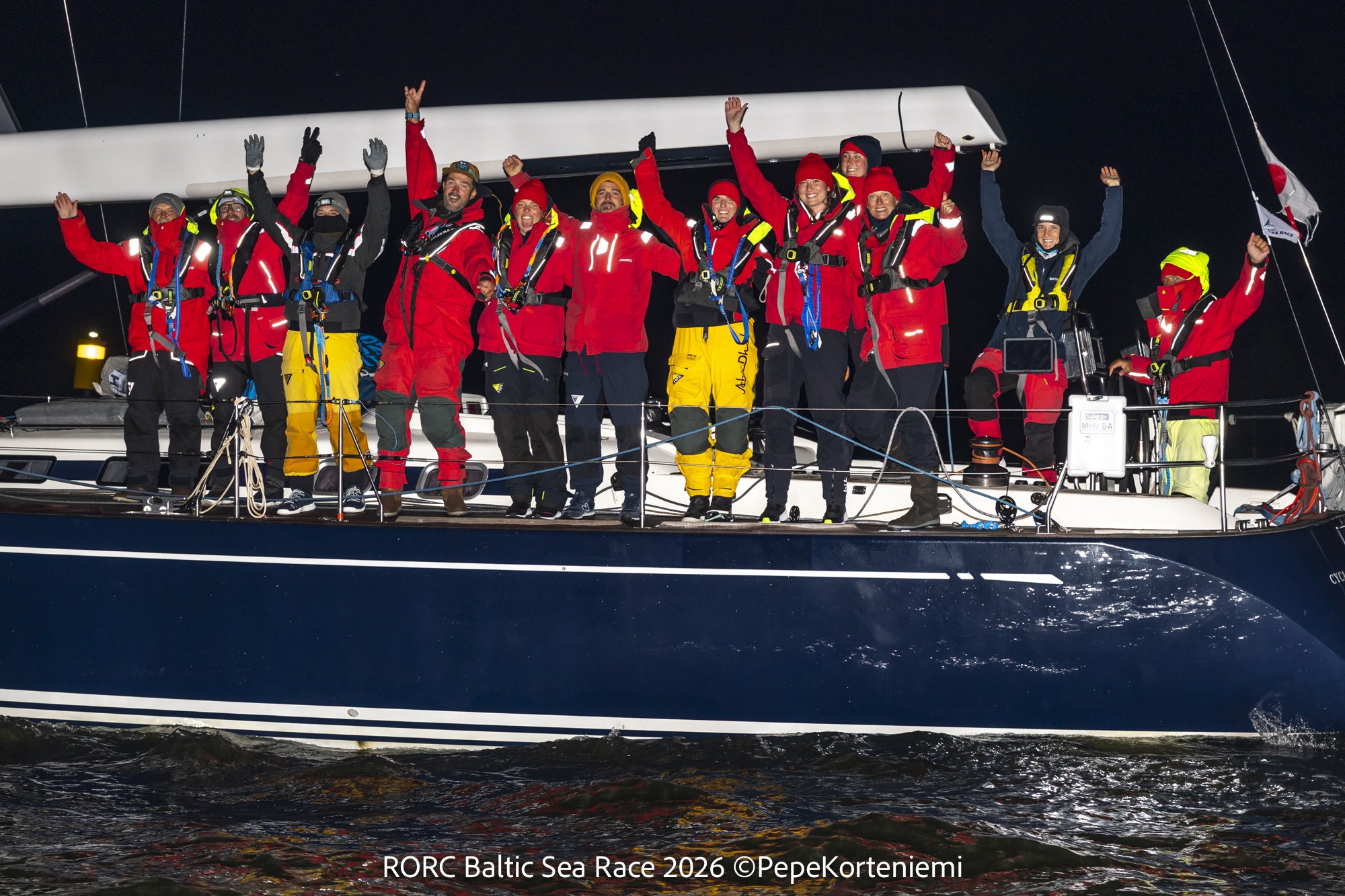
Skippered by owner Linda Goddard with Guglielmo Giuseppe Giordano, the Swan 53 Bedouin completed the race in an elapsed time of 3 days 14 hours 19 minutes 48 seconds, securing Monohull Line Honours.
After IRC time correction, Bedouin's time of 3 days 23 hours 49 minutes 35 seconds was also the fastest in the entire IRC fleet, giving the Australian yacht overall victory as well as first place in IRC One.
For Goddard, however, the performance of her crew was every bit as important as the silverware. “The conditions were challenging, and I’m happy to be back on land,” said Goddard. “It was a great race, a good challenge, and we all had fun. “The Baltic Sea’s short, sharp waves during the first 24 hours really surprised us. They were unlike anything we’ve experienced on bigger seas, so it was a great learning experience for the whole team. “The team has been fantastic. Every mechanical problem was dealt with as quickly as possible and, despite the conditions, we didn’t miss a single meal. This is the best team you could ever hope for or imagine. They are my number one.” There was also special satisfaction for Goddard in achieving the result with a Swan in its home waters. “I’m really happy that we had the chance to race a Finnish-built boat and she did a great job for us.”
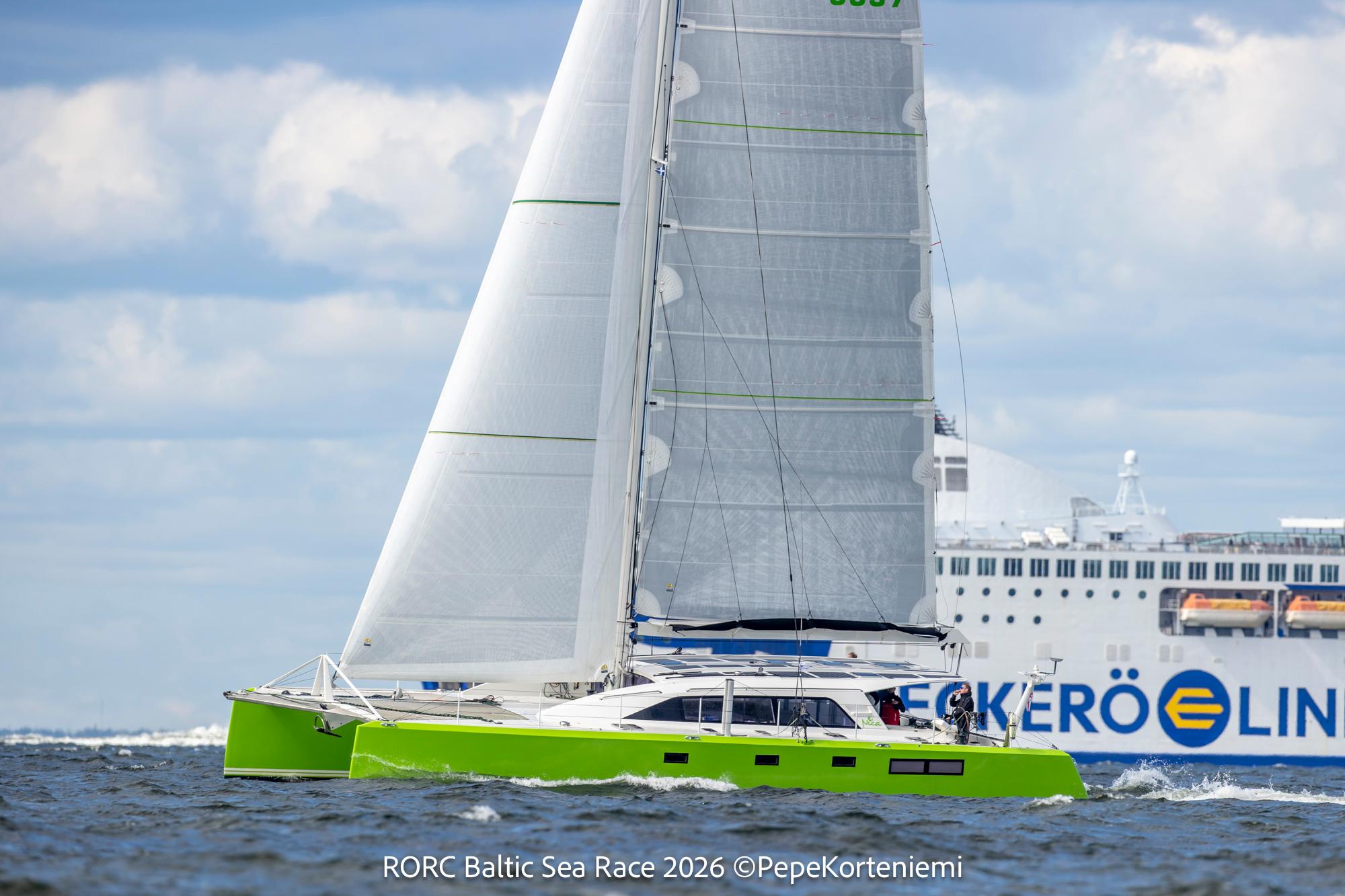 Nica © Pepe Korteniemi
Nica rewrites the record book
While Bedouin claimed the major IRC honours, the fastest boat around the course was the German catamaran Nica. Skippered by Gorm Iver Gondesen and Steffen Mueller, the Roger Hill-designed 57ft performance catamaran crossed the Helsinki finish on 11 August after approximately 3 days 1 hour 28 minutes at sea. In doing so, Nica established a new RORC Baltic Sea Race multihull record, becoming the fastest multihull to complete the course since the race was established. The achievement was all the more impressive given the heavy upwind conditions that had decimated much of the fleet.
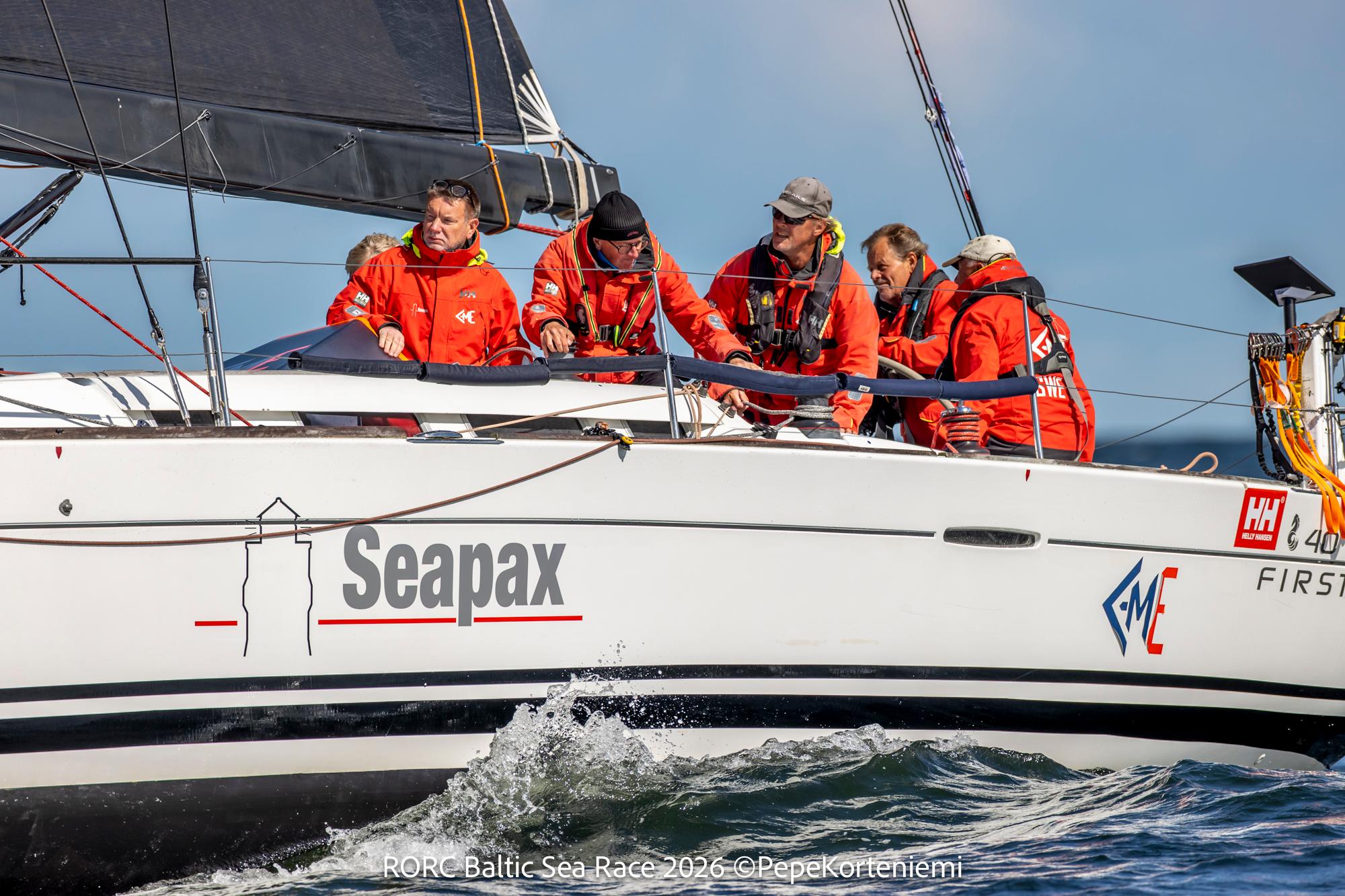 C-ME © Pepe Korteniemi
C-ME fights through for second overall
The closest challenger to Bedouin after IRC time correction was Håkan Grönvall’s Swedish First 40 C-ME, sailed with Olof Granander. C-ME finished in 3 days 21 hours 45 minutes 26 seconds, correcting to 4 days 7 hours 2 minutes 21 seconds. The result secured second place in IRC One and an impressive second overall under IRC.
For a crew with plenty of offshore miles behind them, Grönvall’s assessment of the conditions was telling. “We’ve done four Fastnets, and this was harder,” he said. “It’s very, very wet inside the boat, but we’re happy. We haven’t had any problems with the boat, just two small holes in the mainsail, nothing else. “This is the most fantastic crew you could ever have.”
C-ME finished just under seven hours behind Bedouin on corrected time, a strong performance from the Swedish team in a race dominated by endurance as much as outright speed.
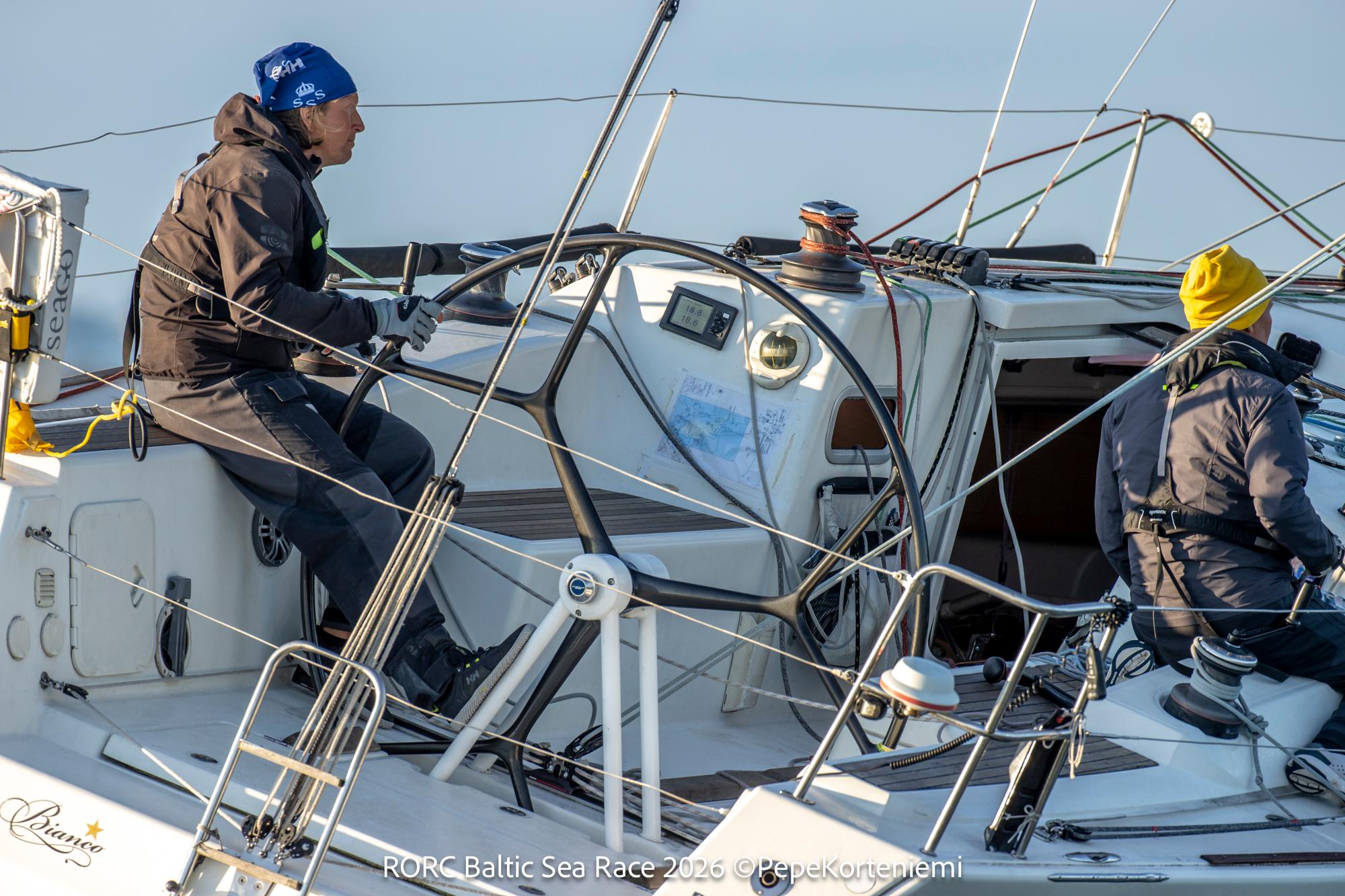 Bianco © Pepe Korteniemi
Bianco: double-handed and on the overall podium
One of the outstanding performances of the race came from Finland’s Tuomas Riski and Antti Soro, racing the First 35 Bianco double-handed. Bianco completed the course in 4 days 7 hours 40 minutes 52 seconds. The result gave Riski and Soro victory in IRC Two and IRC Two-Handed, while their corrected performance was also good enough for third place overall under IRC.
For two sailors taking on such demanding conditions alone, the opening stages were particularly punishing. “The first 24 to 30 hours were pretty hard,” said the Bianco team. “Rough seas and big waves.” After days of hard sailing, however, the final approach to Helsinki provided a dramatic change of character. “The finish from Porkkala to Helsinki was one of the best parts. The sea was completely flat, the wind was picking up, we had the spinnaker up and suddenly we were doing 10 to 12 knots. “It was pretty OK!” The understated reaction summed up an exceptional performance by the Finnish pair.
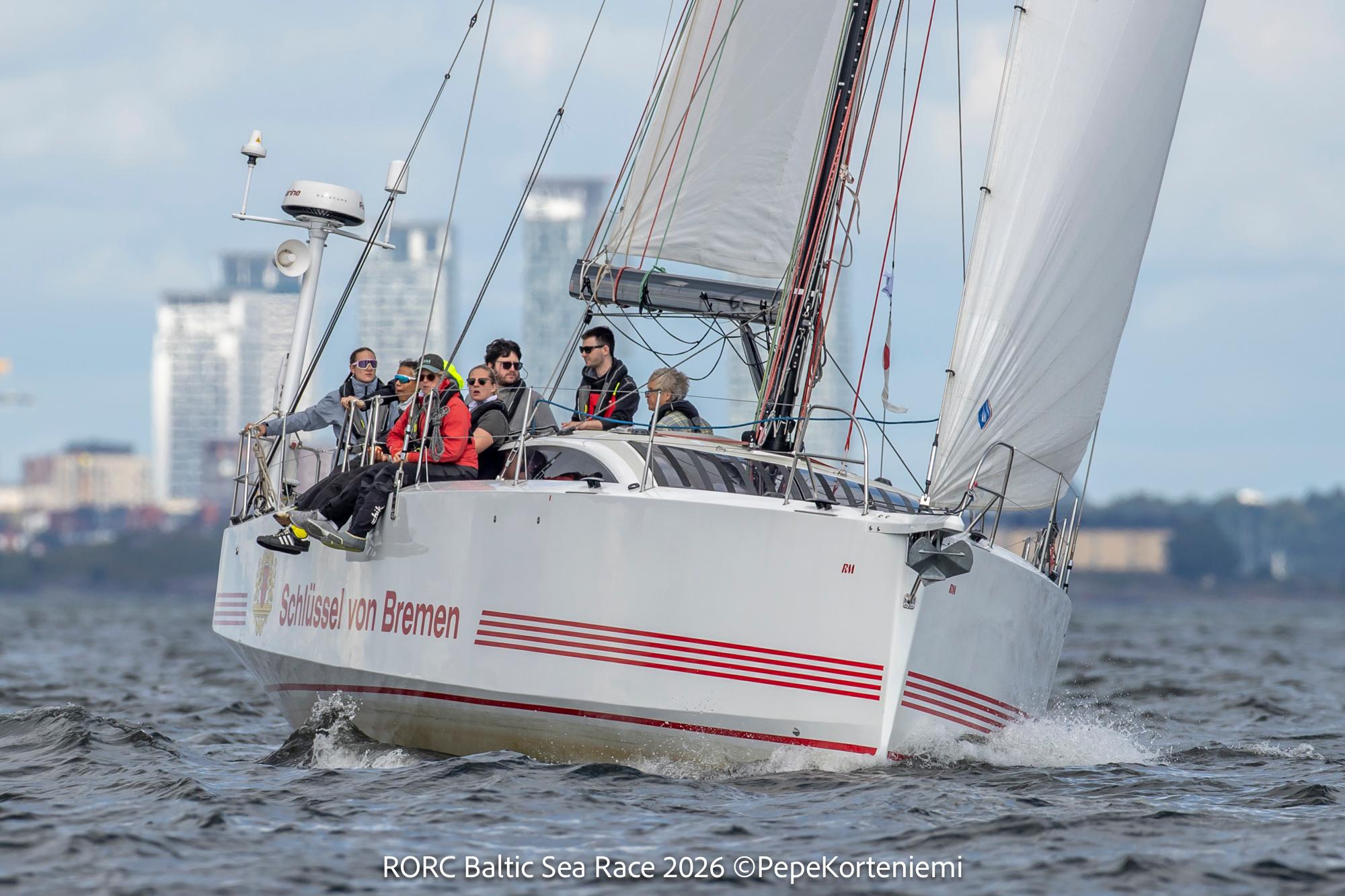 Schlüssel von Bremen © Pepe Korteniemi
Schlüssel von Bremen completes the challenge
Germany’s Schlüssel von Bremen also battled through the conditions to finish after 4 days 9 hours 32 minutes 4 seconds at sea.
Skipper Stefanie Krautwald described a race that demanded determination from the entire crew. “It was a really tough race, and some of the crew were seasick. But I’m really happy that we managed the challenging conditions and made it all the way to the finish.” Schlüssel von Bremen secured third place in IRC One, completing the class podium.
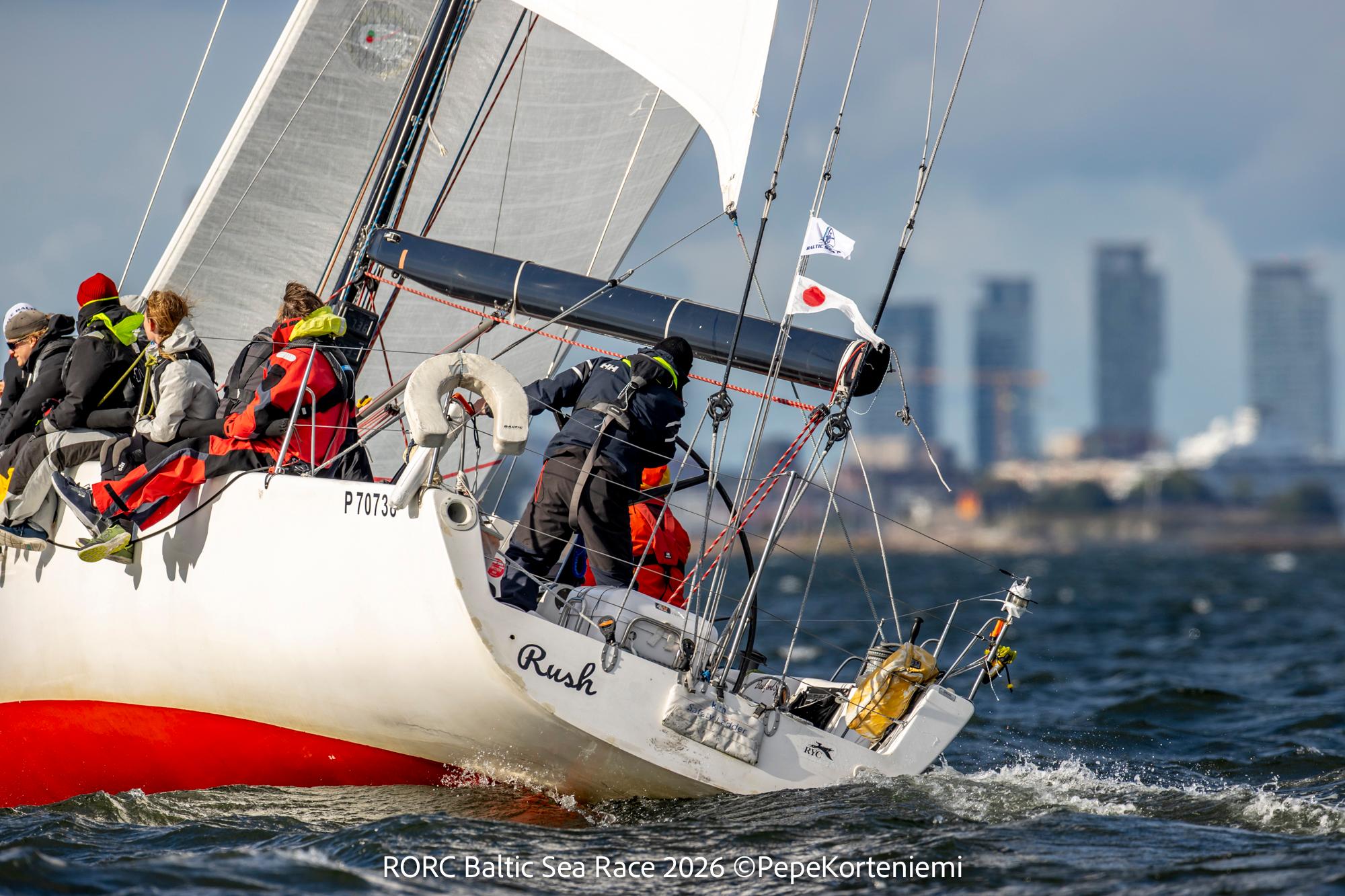 Rush © Pepe Korteniemi
No complaints on Rush
Finland’s Sydney 40 Rush, skippered by Jori Lahtonen, completed the race in 4 days 5 hours 38 minutes 58 seconds.Conditions below deck provided perhaps the clearest indication of what the crews had endured.
“All the bunks on board were wet, some of the crew were seasick, and still no one complained even once,” said Lahtonen. “The stamina of our group was the key to our success. Maybe it wasn’t the water in our boat!” Rush finished fourth in IRC One, just over an hour behind Schlüssel von Bremen after IRC time correction.
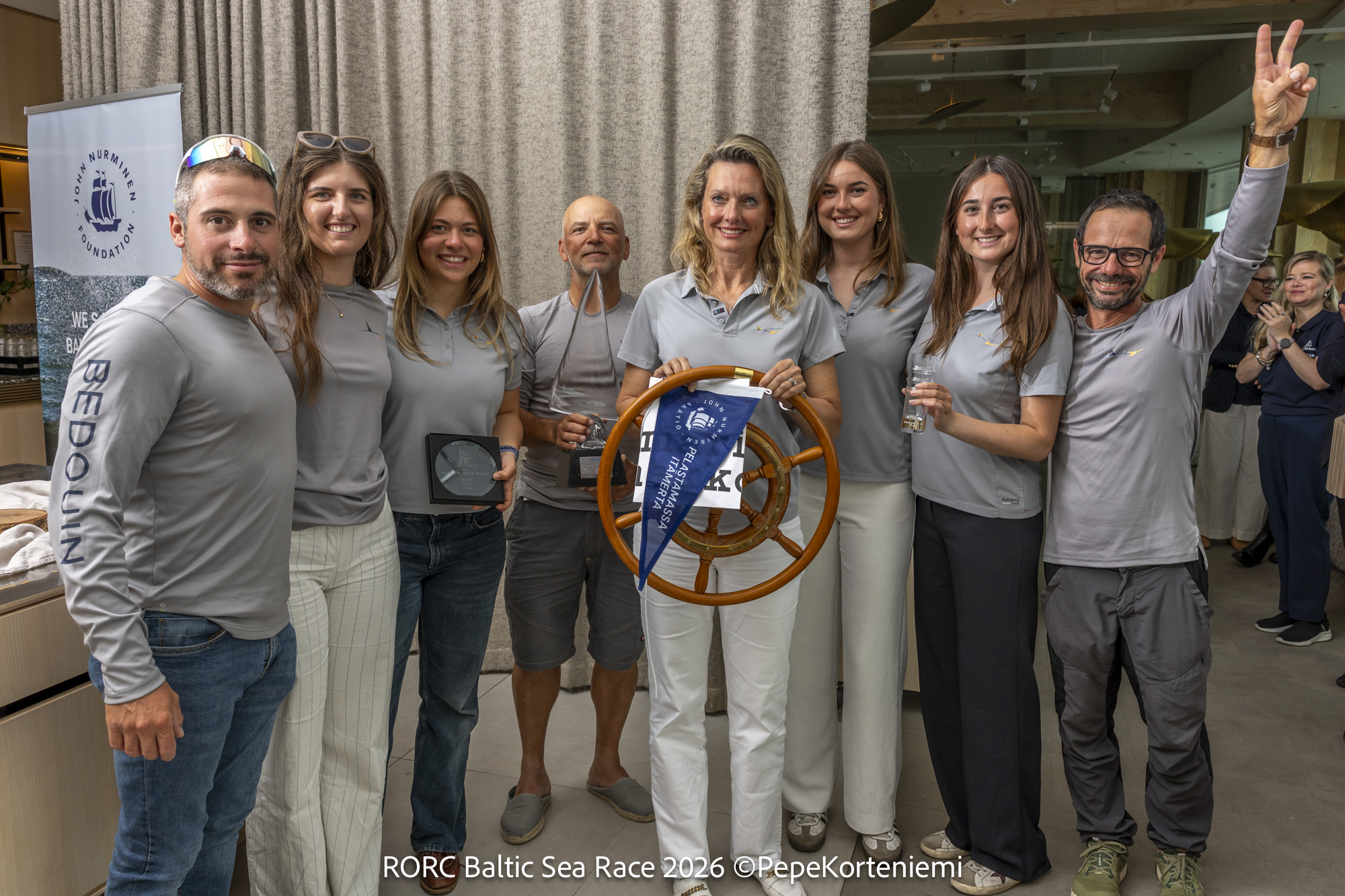
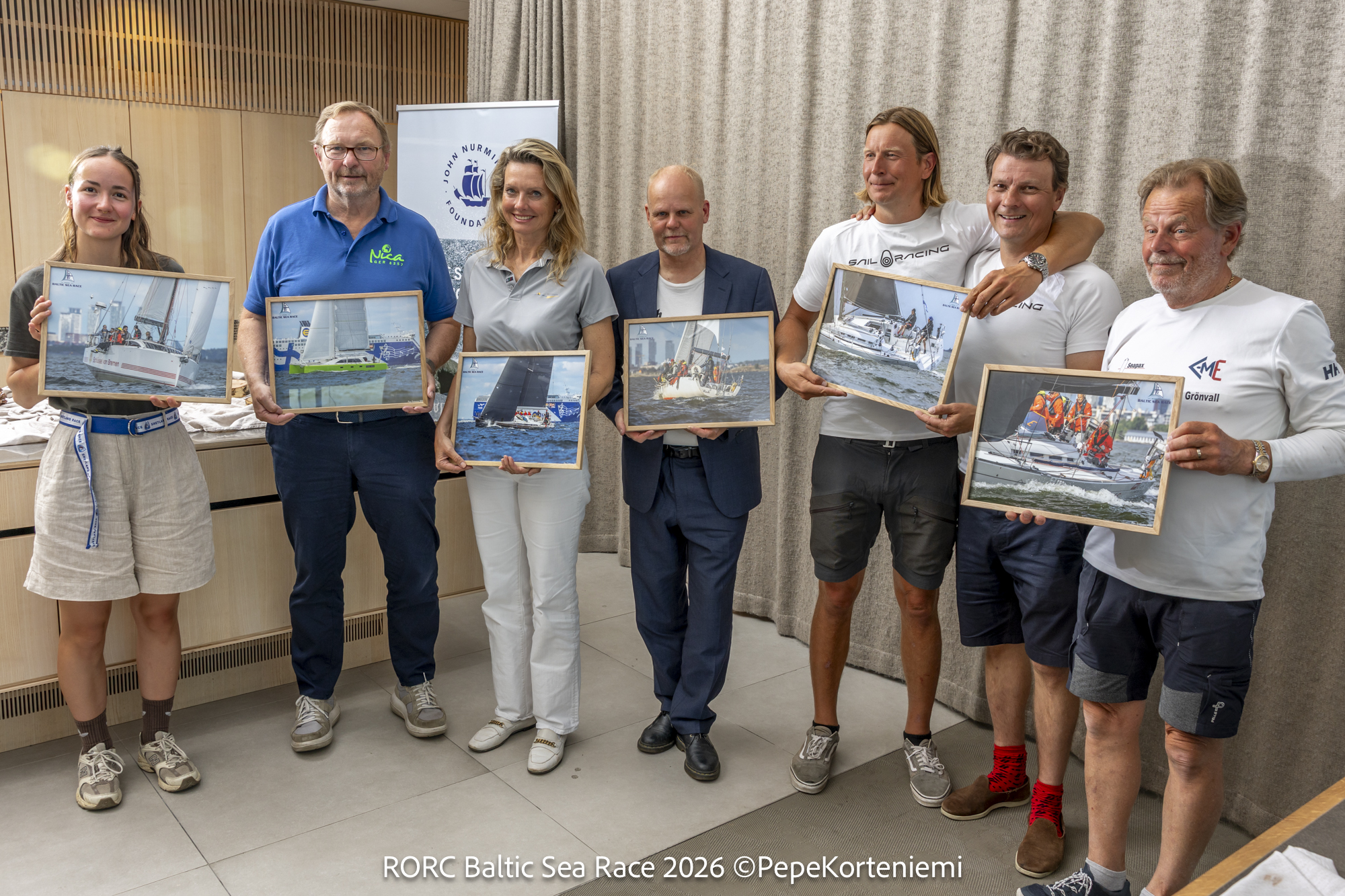
A Baltic race to remember
The 2026 RORC Baltic Sea Race will be remembered less for the benign conditions sometimes associated with northern European summer sailing and much more for the raw challenge it presented.
The short, aggressive Baltic sea state punished crews and equipment from the opening stages. Continuous upwind sailing tested stamina, while the later reaching conditions and final approach to Helsinki provided a very different test for the boats that remained in the race.
For Nica there was a new record. For Bianco, a remarkable double-handed class victory and an overall podium. For C-ME, second overall after surviving conditions its skipper considered harder than four Rolex Fastnet Races.
And for Linda Goddard and Bedouin, there was the biggest prize of all: Monohull Line Honours, IRC One victory and overall victory in the 2026 RORC Baltic Sea Race.
After more than 600 miles of some of the hardest offshore racing the Baltic could produce, Bedouin and her crew had earned every part of it.